
The electronics manufacturing sector is entering a new phase of transformation.
Over the past few years, manufacturers have navigated supply chain disruption, component shortages, geopolitical uncertainty, rising customer expectations, and accelerating technological change. At the same time, demand for electronic products continues to grow across industries, including aerospace, defence, medical devices, communications, automotive, industrial automation, and consumer technology.
As organisations adapt, the skills required to support modern manufacturing environments are evolving rapidly.
Automation, digitalisation, reshoring, and Industry 4.0 initiatives are changing not only how products are manufactured but also the types of professionals businesses need to remain competitive.
For employers, securing the right talent has become one of the biggest challenges and opportunities facing the sector in 2026.
Automation continues to reshape manufacturing
Automation is no longer reserved for the largest manufacturers.
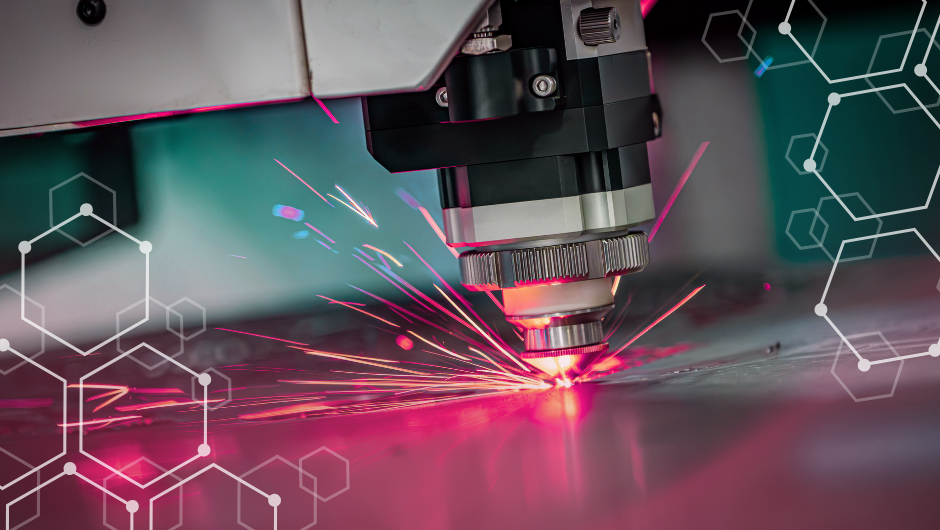
Across the industry, businesses are investing in technologies that improve efficiency, consistency, and production capacity. Automated assembly lines, robotic systems, machine vision technology, and intelligent production equipment are becoming increasingly common across electronics manufacturing environments.
As a result, demand is growing for professionals who can implement automation projects, support automated production systems, optimise manufacturing processes, improve equipment performance, and drive operational efficiency.
Manufacturing engineers, process engineers, automation specialists, and continuous improvement professionals are becoming increasingly difficult to hire as organisations compete for the same skillsets.
Industry 4.0 is driving new talent requirements
The concept of Industry 4.0 has moved beyond strategy presentations and into day-to-day manufacturing operations.
Manufacturers are investing in technologies that provide greater visibility, connectivity, and control across production environments. Data-driven decision making, predictive maintenance, digital twins, and smart factory initiatives are becoming important competitive differentiators.
This shift is creating demand for professionals with experience in:
- Manufacturing data systems
- Industrial automation
- Smart factory technologies
- Digital manufacturing
- Process optimisation
- Manufacturing software platforms
Many of these skills sit at the intersection of engineering, technology, and operations, creating new recruitment challenges for employers.
Reshoring is creating additional hiring pressure
In recent years, many manufacturers have reassessed global supply chain strategies. The desire for greater resilience, improved quality control, shorter lead times, and reduced supply chain risk has encouraged some organisations to bring production closer to home.
While reshoring creates opportunities for local manufacturing, it also increases demand for skilled talent. Businesses expanding domestic manufacturing operations often need to recruit:
- Manufacturing Engineers
- Production Managers
- Quality Engineers
- Supply Chain Professionals
- Operations Leaders
This additional demand is placing further pressure on an already competitive labour market.
Supply chain resilience remains a priority
Supply chain disruption remains one of the defining business challenges of the decade. Although many shortages have eased, manufacturers continue to focus on strengthening supplier relationships, improving visibility, and reducing operational risk.
This has increased demand for professionals who can help organisations build more resilient supply chains. Roles experiencing strong demand include:
- Supply Chain Managers
- Procurement Specialists
- Supplier Quality Engineers
- Planning Managers
- Operations Professionals
These individuals play a critical role in helping businesses maintain production continuity while managing cost and quality expectations.
Quality continues to be a competitive advantage
As products become more complex and customer expectations continue to rise, quality remains a major area of focus. Many manufacturers are strengthening quality teams to support regulatory compliance, meet customer requirements, improve supplier performance, enhance product reliability, and drive continuous improvement programmes.
The demand for quality professionals continues to increase across sectors such as medical devices, aerospace, defence, communications, and high-reliability electronics manufacturing. Experienced quality engineers and quality managers remain among the most sought-after professionals in the market.
Skills shortages are changing hiring strategies
The electronics manufacturing sector continues to face skills shortages across multiple disciplines. The challenge is not simply a lack of candidates. Increasingly, employers are searching for professionals who combine technical expertise with commercial awareness, problem-solving ability, and experience operating in fast-paced manufacturing environments.
Particularly difficult-to-fill roles include:
- Manufacturing Engineers
- Process Engineers
- NPI Engineers
- Quality Engineers
- Automation Specialists
- Operations Leaders
Many organisations are responding by broadening hiring criteria and focusing more heavily on transferable skills and long-term potential.
NPI expertise is becoming increasingly valuable
Bringing products into production quickly and successfully remains a key business objective. As product lifecycles shorten and customer expectations increase, organisations are investing heavily in New Product Introduction (NPI) capability.
NPI professionals help manufacturers reduce production risk, accelerate time-to-market, improve product quality, strengthen cross-functional collaboration, and increase manufacturing efficiency. Businesses with strong NPI teams are often better positioned to scale production while maintaining quality and profitability.
Leadership capability is becoming a differentiator
Technology alone does not create successful manufacturing operations. Organisations also need leaders capable of managing change, developing teams, driving performance, and supporting growth.
As a result, demand is increasing for experienced:
- Operations Managers
- Manufacturing Managers
- Production Directors
- Engineering Leaders
- Site Directors
Many organisations view leadership capability as a critical factor in achieving operational excellence and long-term business success.
What successful manufacturers are doing differently
The organisations attracting the strongest talent are taking a more proactive approach to workforce planning.
Rather than recruiting only when vacancies arise, they are investing in succession planning, talent pipelines, graduate programmes, internal development, and employer branding. Many are also improving candidate experiences by reducing hiring delays and clearly communicating career development opportunities.
This helps them compete more effectively in a market where skilled professionals have increasing choice.
Frequently asked questions
What skills are most in demand in electronics manufacturing?
Manufacturing engineering, process engineering, automation, quality, supply chain management, NPI, and operations leadership remain among the most sought-after skillsets.
How is Industry 4.0 affecting recruitment?
Industry 4.0 is increasing demand for professionals with expertise in automation, digital manufacturing, manufacturing data systems, smart factory technologies, and process optimisation.
Why are manufacturing engineers difficult to hire?
Growing investment in automation, operational improvement, and advanced manufacturing is increasing demand faster than the available supply of experienced professionals.
Is reshoring creating new hiring opportunities?
Yes. As manufacturers expand domestic production capabilities, demand is increasing across engineering, quality, operations, and supply chain functions.
Final thoughts
Electronics manufacturing is becoming more connected, more automated, and more technologically advanced.
Automation, Industry 4.0, reshoring, and supply chain resilience initiatives are creating significant opportunities for manufacturers willing to invest in capability and innovation. However, these changes are also intensifying competition for specialist talent.
The organisations that succeed in 2026 and beyond will be those that view talent as a strategic asset rather than an operational requirement. Building strong engineering, quality, operations, and leadership teams will be critical to maintaining productivity, supporting growth, and remaining competitive in an increasingly demanding market.