
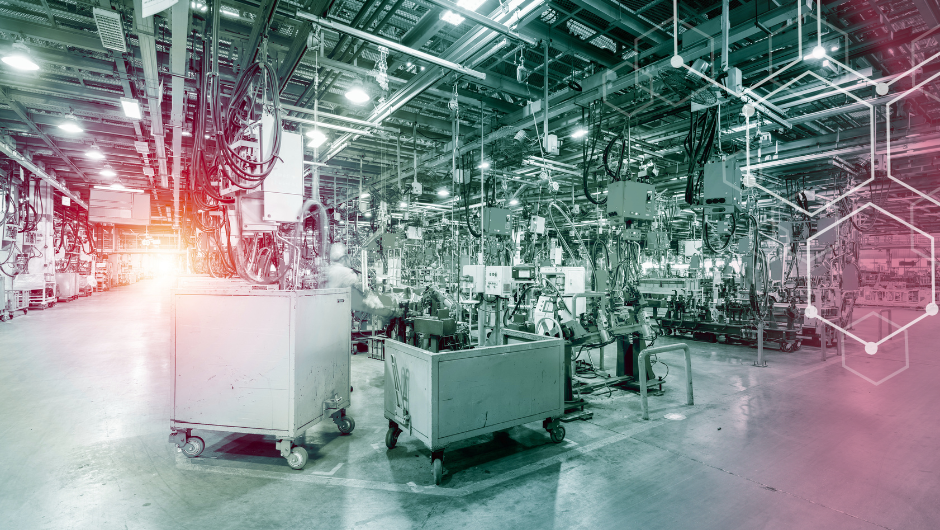
The electronics manufacturing industry is changing faster than ever. Factories are becoming smarter. Production lines are becoming more automated. Data is becoming more valuable. Artificial intelligence is beginning to influence decision-making across manufacturing environments. As a result, the skills that manufacturers needed ten years ago are not necessarily the skills they will need ten years from now.
This transformation is creating both challenges and opportunities.
For employers, securing the right talent is becoming increasingly difficult as technical requirements evolve. For professionals, new technologies are opening career paths that barely existed a decade ago.
The future of electronics manufacturing will be defined not only by technology, but by the people capable of implementing, managing, and improving it.
Industry 4.0 is changing the profile of manufacturing talent
Industry 4.0 has become one of the most influential forces shaping modern manufacturing.
The integration of connected systems, real-time data, automation, and intelligent decision-making is creating more efficient and agile production environments. However, these technologies require different skills from those traditionally associated with manufacturing.
Increasingly, employers are looking for professionals who can work across:
- Manufacturing engineering
- Automation systems
- Data analytics
- Industrial software
- Process optimisation
- Smart factory technologies
The result is a growing demand for talent that combines engineering expertise with digital capability. Manufacturing is becoming less about operating equipment and more about understanding how systems, data, and technology work together.
Artificial intelligence is moving into manufacturing
Artificial intelligence has become one of the most discussed technologies across the industrial sector. While AI is unlikely to replace manufacturing professionals, it is changing how many roles operate. Manufacturers are increasingly using AI to support:
- Predictive maintenance
- Quality inspection
- Production planning
- Demand forecasting
- Process optimisation
- Supply chain management
These technologies help businesses improve efficiency, reduce waste, and identify issues before they become costly problems.
As adoption grows, organisations need professionals who understand both manufacturing operations and how AI-enabled systems can support business objectives. The future workforce will increasingly need to work alongside AI rather than compete with it.
Automation is creating new career opportunities
One of the biggest misconceptions about automation is that it simply replaces jobs. In reality, automation often changes jobs rather than eliminates them.
As manufacturers invest in robotics, machine vision systems, automated assembly equipment, and smart production technologies, demand is increasing for professionals who can design automation solutions, support automated production lines, maintain advanced equipment, analyse production performance, and drive continuous improvement.
This is creating opportunities for engineers, technicians, and operations professionals willing to develop new technical skills. The nature of manufacturing work is evolving, but the need for talented people remains.
Digital manufacturing is becoming mainstream
Digital manufacturing is no longer a future concept. Manufacturers increasingly rely on real-time data to improve visibility, productivity, and decision-making. Production environments are becoming more connected, allowing organisations to monitor performance, identify bottlenecks, and optimise operations more effectively.
This shift is driving demand for professionals with experience in:
- Manufacturing execution systems (MES)
- ERP platforms
- Production analytics
- Digital workflow management
- Industrial software solutions
The ability to interpret and act on manufacturing data is becoming just as valuable as traditional engineering knowledge.
The demand for hybrid skillsets is increasing
Perhaps the biggest shift in hiring requirements is the rise of hybrid roles. Many manufacturers are no longer looking for purely mechanical, electrical, or production-focused professionals. Instead, they need individuals who can bridge multiple disciplines.
Examples include:
- Manufacturing engineers with automation expertise
- Process engineers with data analysis capabilities
- Quality professionals who understand digital systems
- Operations leaders comfortable with technology transformation
- Engineers who can combine technical knowledge with commercial thinking
These hybrid professionals are becoming some of the most valuable people in modern manufacturing organisations.
Soft skills are becoming more important
Technical capability will always matter in manufacturing. However, as technology becomes more sophisticated, employers are placing greater emphasis on skills that cannot easily be automated. These include problem-solving, communication, leadership, adaptability, collaboration, and a commitment to continuous learning.
The most successful professionals are often those who can combine strong technical knowledge with the ability to lead teams, manage change, and improve processes. As manufacturing evolves, these skills will become increasingly important.
Why employers need to rethink recruitment
Many manufacturers still recruit based on historical job requirements. The challenge is that future manufacturing roles often require capabilities that traditional recruitment processes do not always prioritise.
Forward-thinking organisations are beginning to focus more heavily on potential rather than experience alone, transferable skills, internal development, graduate recruitment, and succession planning. The companies that build future-ready workforces today are likely to be the ones that outperform tomorrow.
What future manufacturing careers could look like
As technology continues to evolve, we are likely to see growing demand for professionals in areas such as:
- Smart factory implementation
- Manufacturing automation
- Industrial AI
- Digital transformation
- Advanced quality systems
- Manufacturing data analytics
While traditional engineering disciplines will remain essential, many future roles will involve a combination of manufacturing, software, automation, and data-driven decision-making. For professionals entering the sector, this creates exciting opportunities to build careers at the intersection of technology and manufacturing.
Frequently asked questions
How is Industry 4.0 affecting manufacturing careers?
Industry 4.0 is creating demand for professionals with expertise in automation, data analysis, smart factory technologies, and digital manufacturing systems.
Will AI replace manufacturing jobs?
AI is more likely to change jobs than replace them. Many roles will evolve to focus on managing, interpreting, and improving AI-supported processes.
What skills will be most valuable in future manufacturing environments?
Automation, digital manufacturing, process optimisation, data analysis, leadership, and problem-solving skills are expected to become increasingly important.
Are manufacturing careers still a good option?
Yes. Modern manufacturing offers a wide range of career opportunities across engineering, automation, quality, operations, supply chain, and digital transformation disciplines.
Final thoughts
The future of electronics manufacturing talent will be shaped by technology, but it will ultimately depend on people.
Industry 4.0, artificial intelligence, automation, and digital manufacturing are transforming how products are designed, built, and delivered. These changes are creating demand for professionals who can combine technical expertise with adaptability, innovation, and digital capability.
For employers, attracting and developing this talent will be essential to future success. For professionals, the opportunities have never been greater. The manufacturers that invest in future skills today will be the ones best positioned to lead tomorrow.